Product Design
B2B
SaaS
Client
industry
About project
{/}
Problems
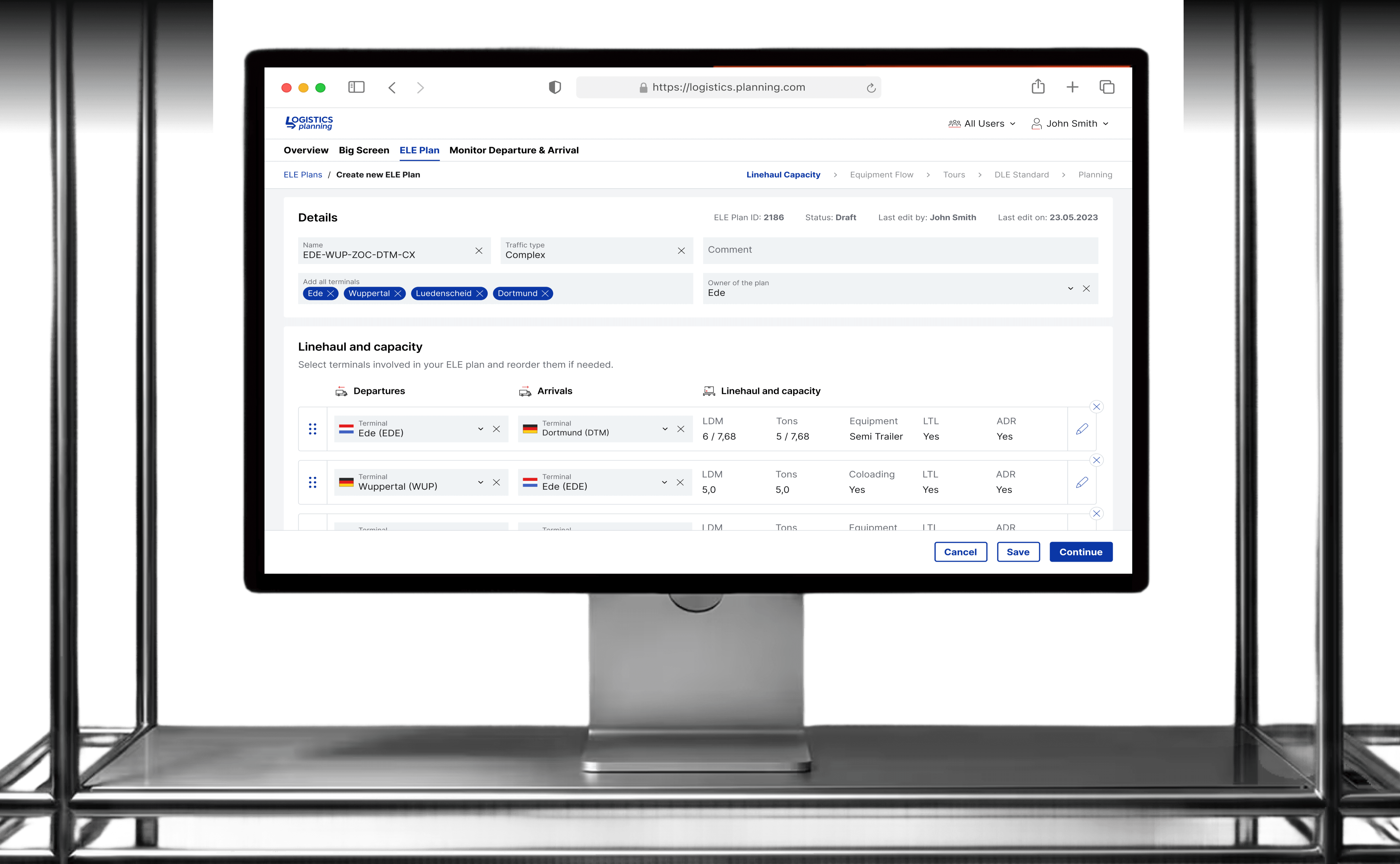
The planning experience lacked a clear UX structure and was difficult for new users to follow. Users could move through the process in a non-linear way, skip required steps, and work with redundant fields, nested sections, and legacy interface patterns. As a result, tour creation felt fragmented, plans were harder to validate, and inexperienced planners struggled to understand where to start.
Solutions
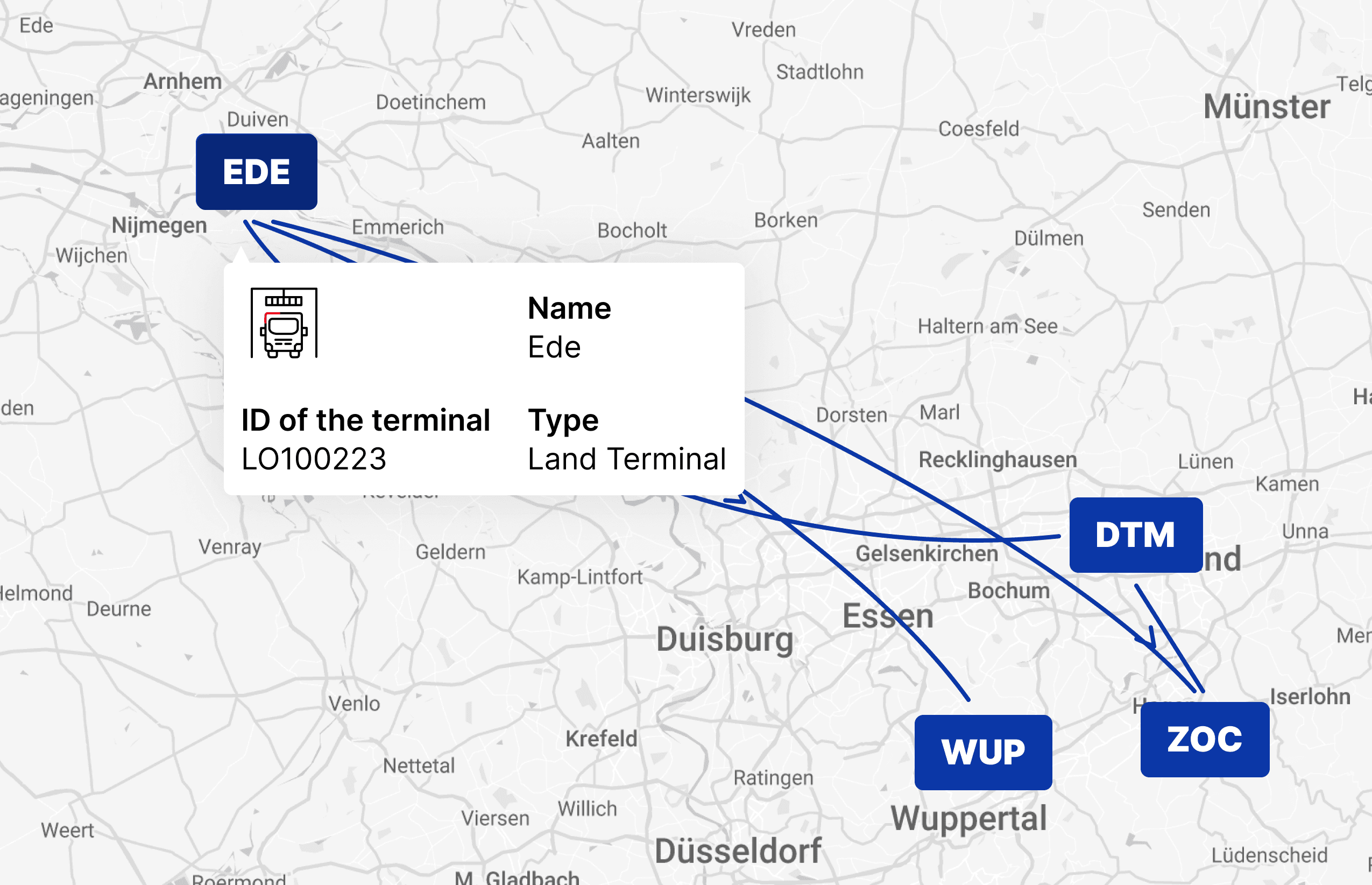
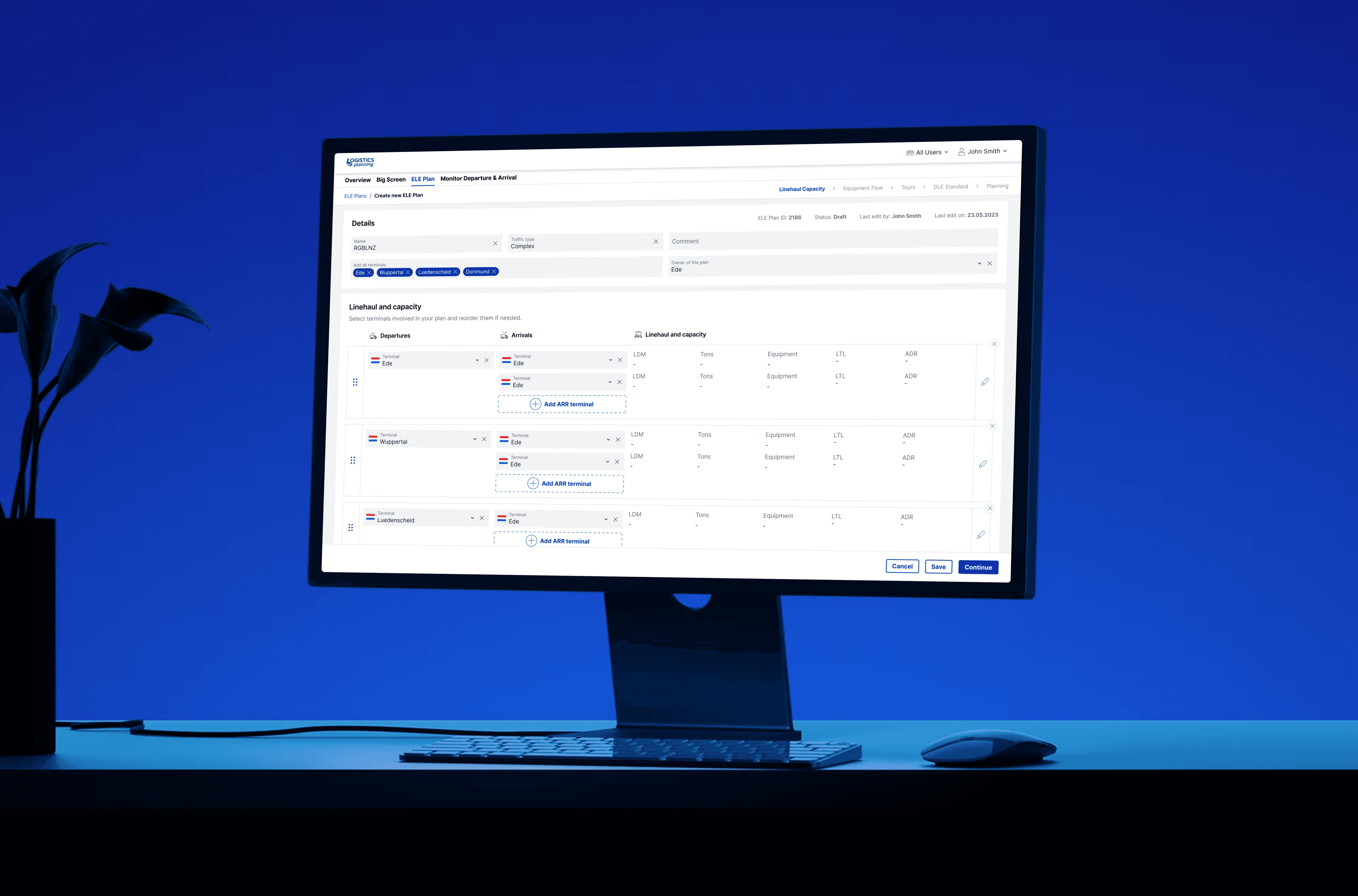
The experience was redesigned into a more structured, guided planning flow based on user feedback and client interviews. The interface was simplified, aligned with the internal design system, and reorganized around clearer hierarchy, step-by-step planning, and an integrated map and route overview. This made tour creation easier to understand, adjust, and validate with more confidence.
{/}
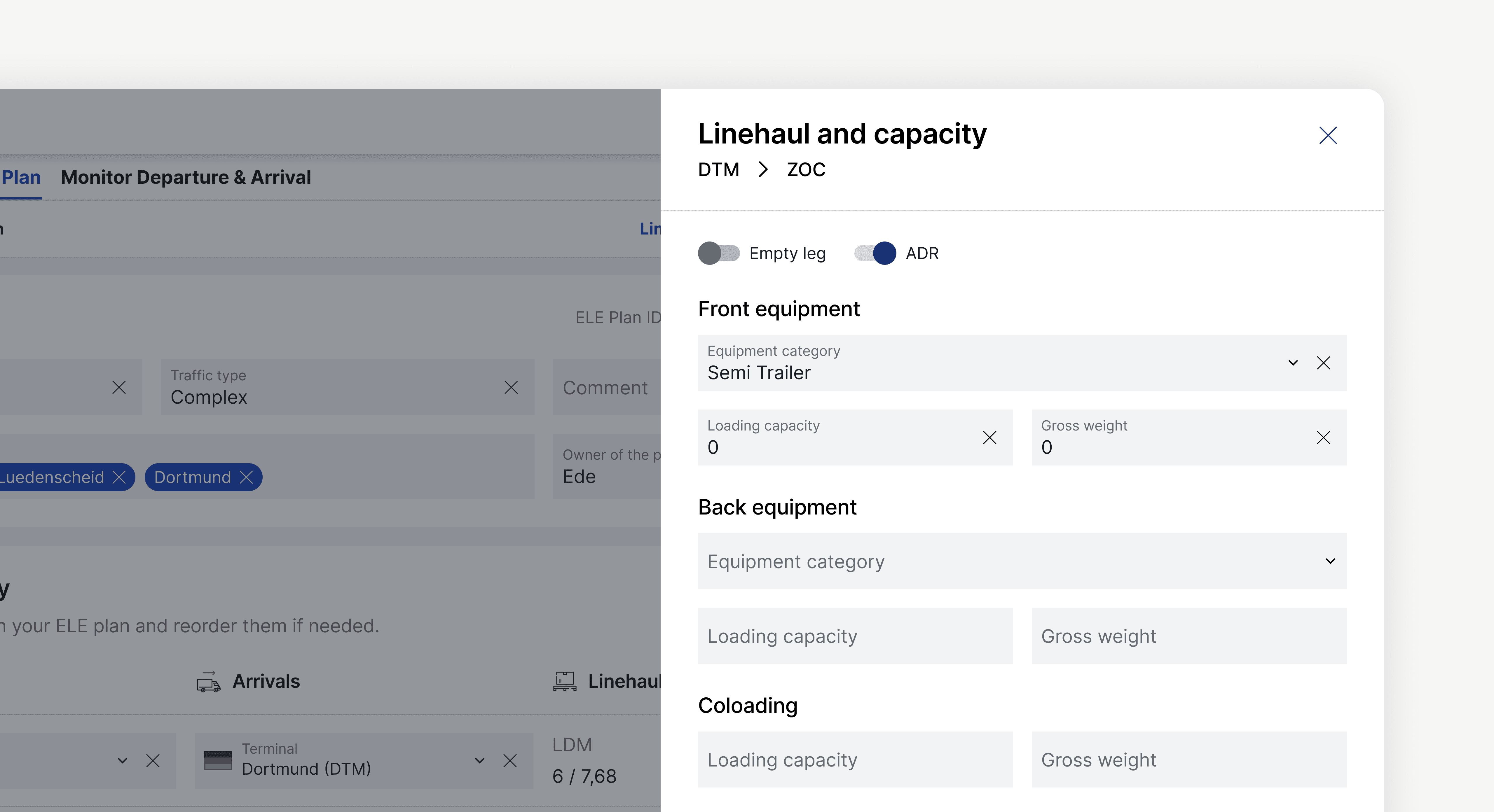
User interviews revealed that planners needed clearer guidance on what to complete first.
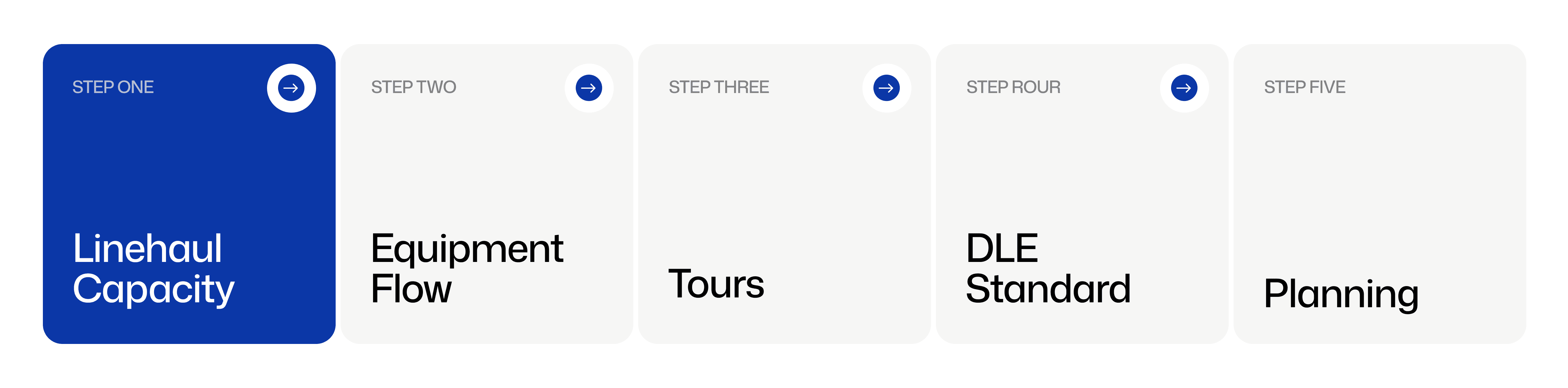
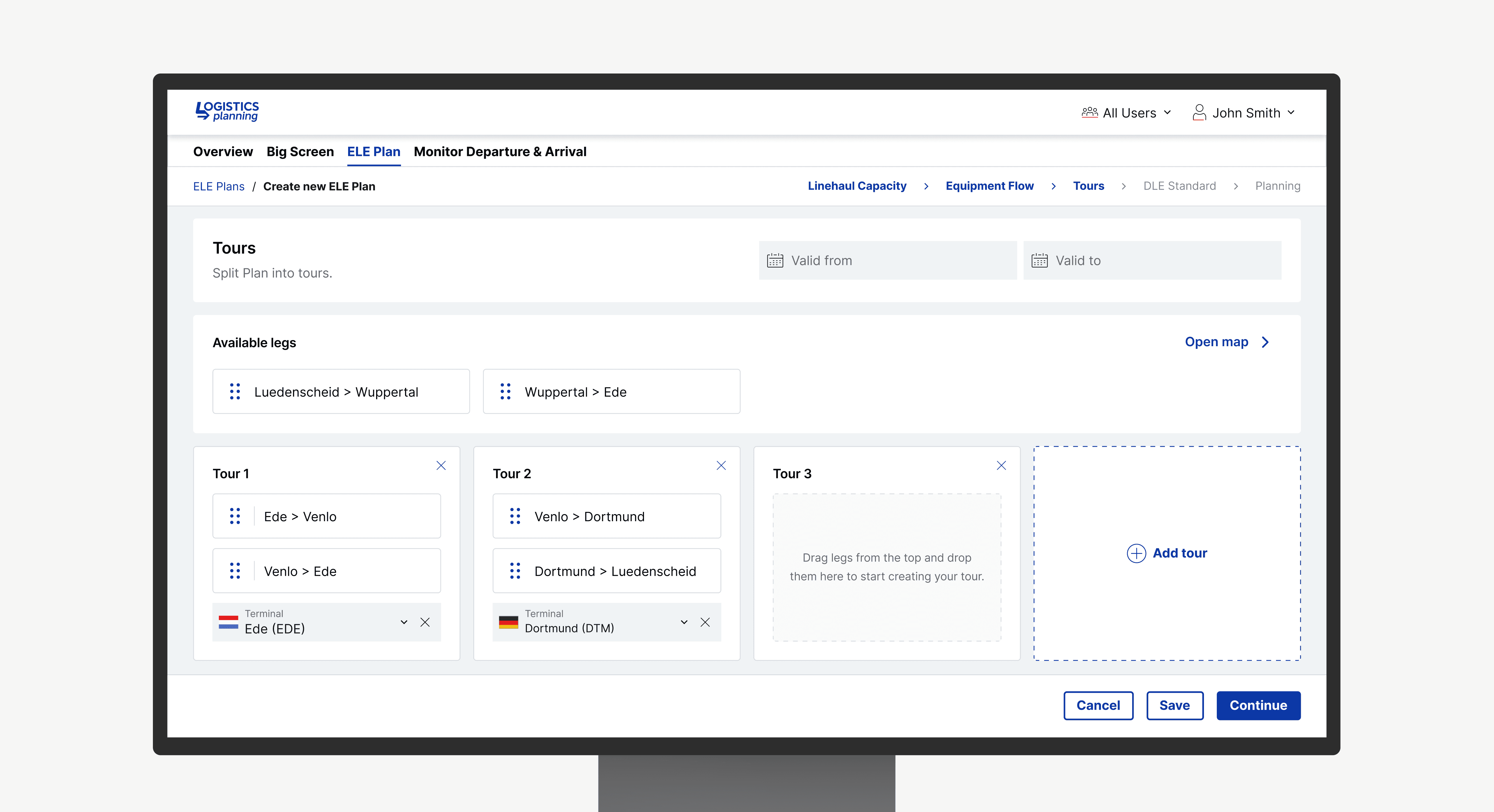
A structured step-by-step flow replaced nested sections, helping users follow the correct planning order and reduce incomplete or invalid plans.

{/}
Redundant fields and legacy inputs were removed, creating a cleaner layout that speeds up navigation and lowers cognitive load.
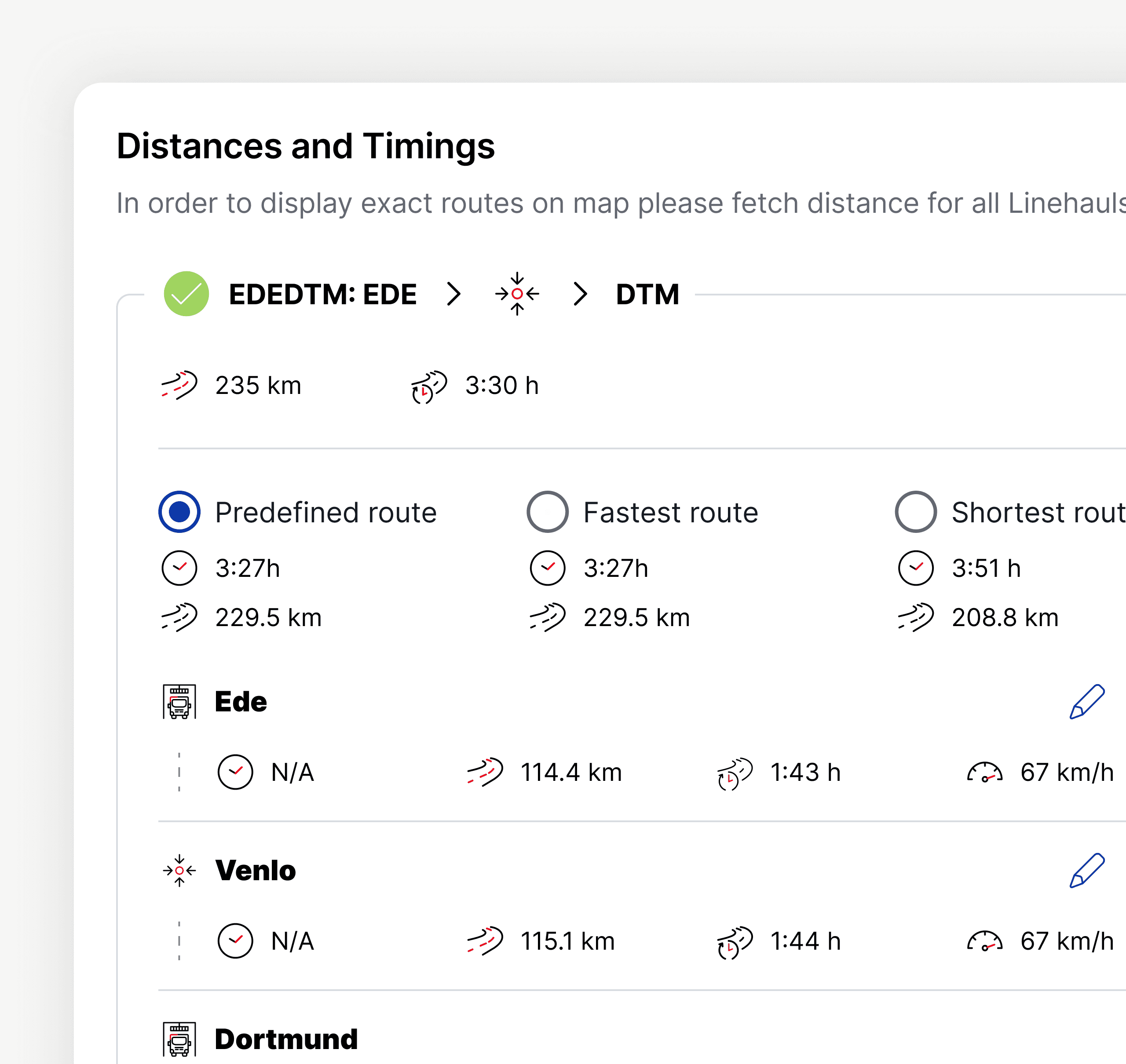
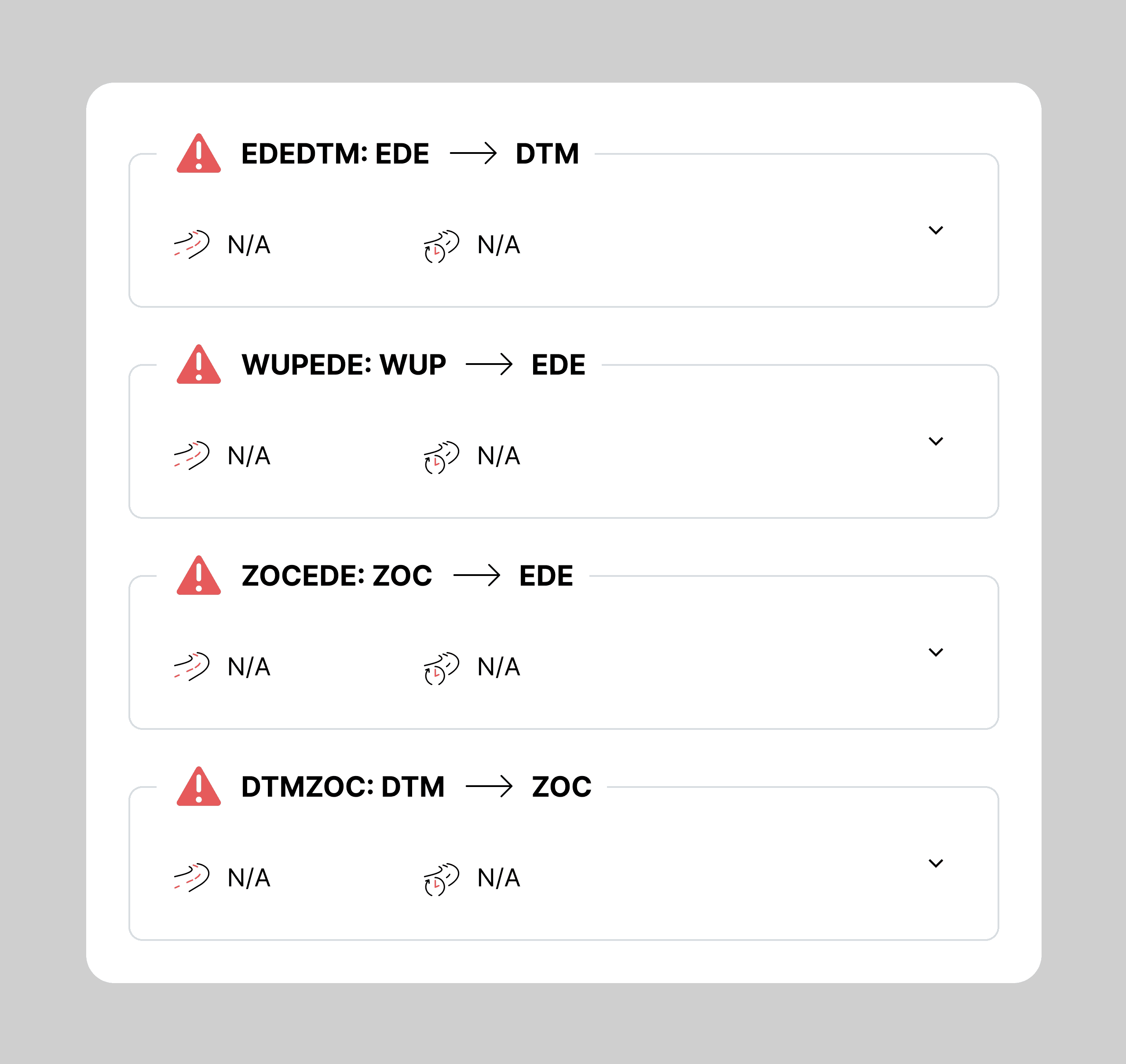
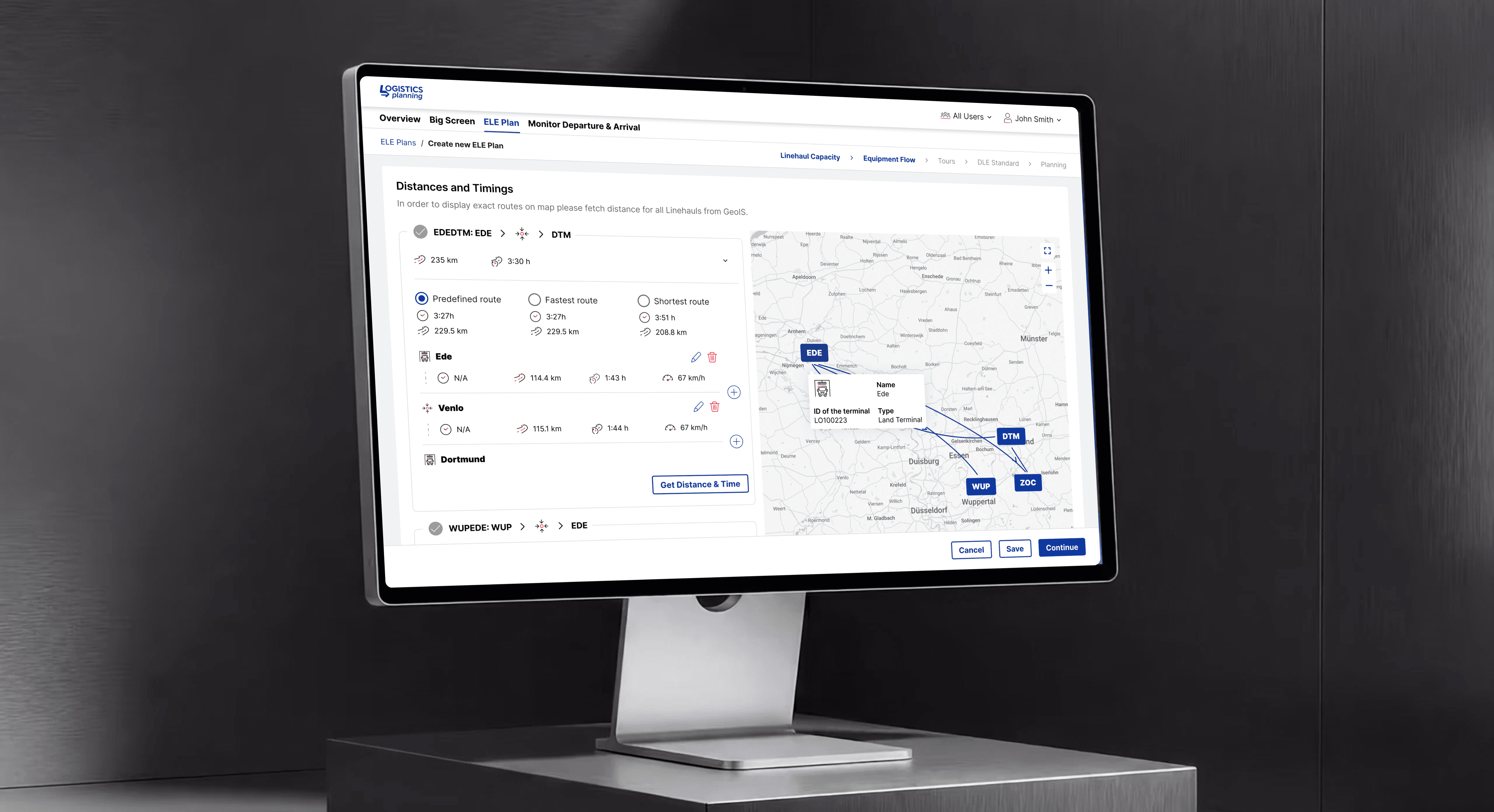
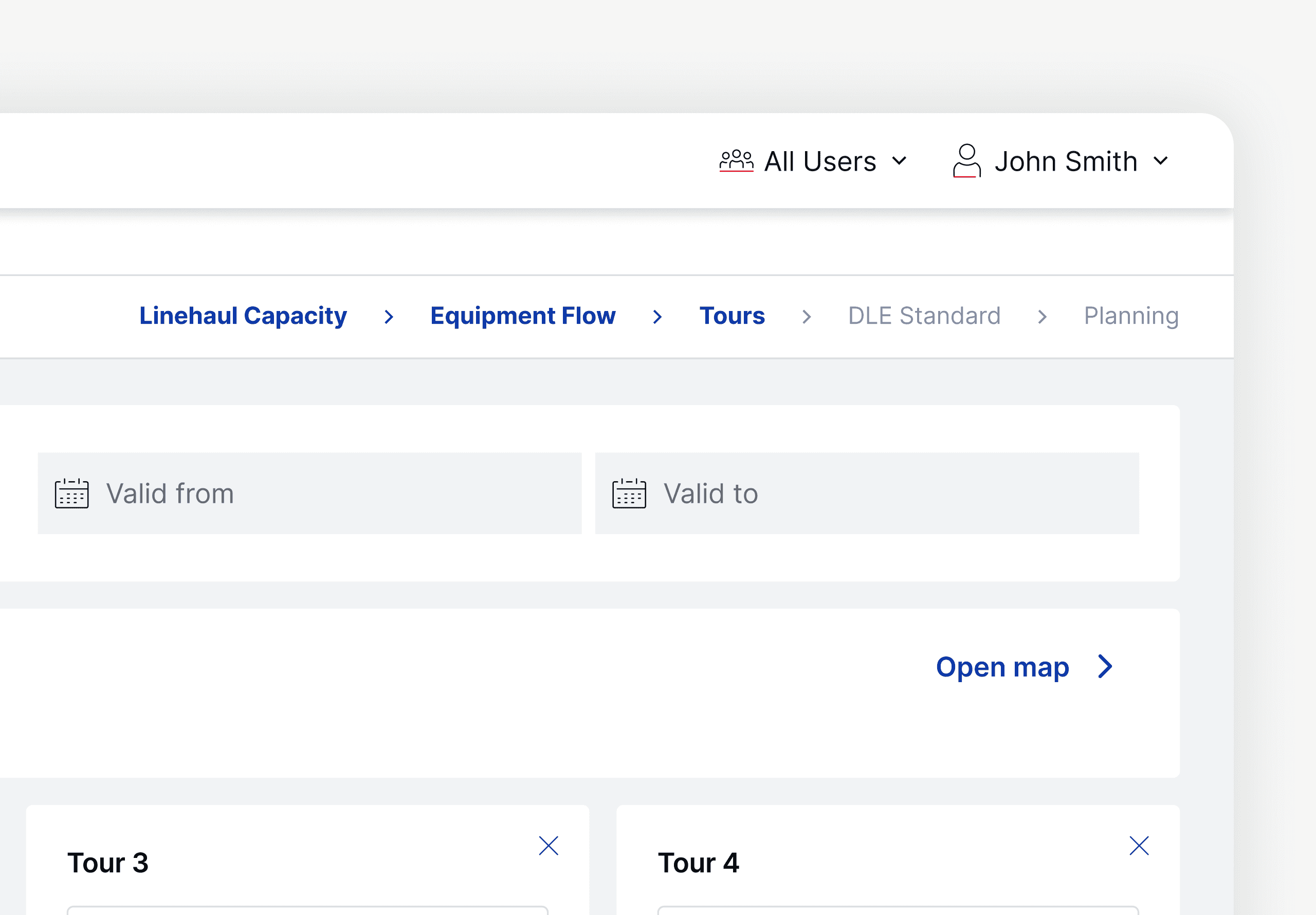
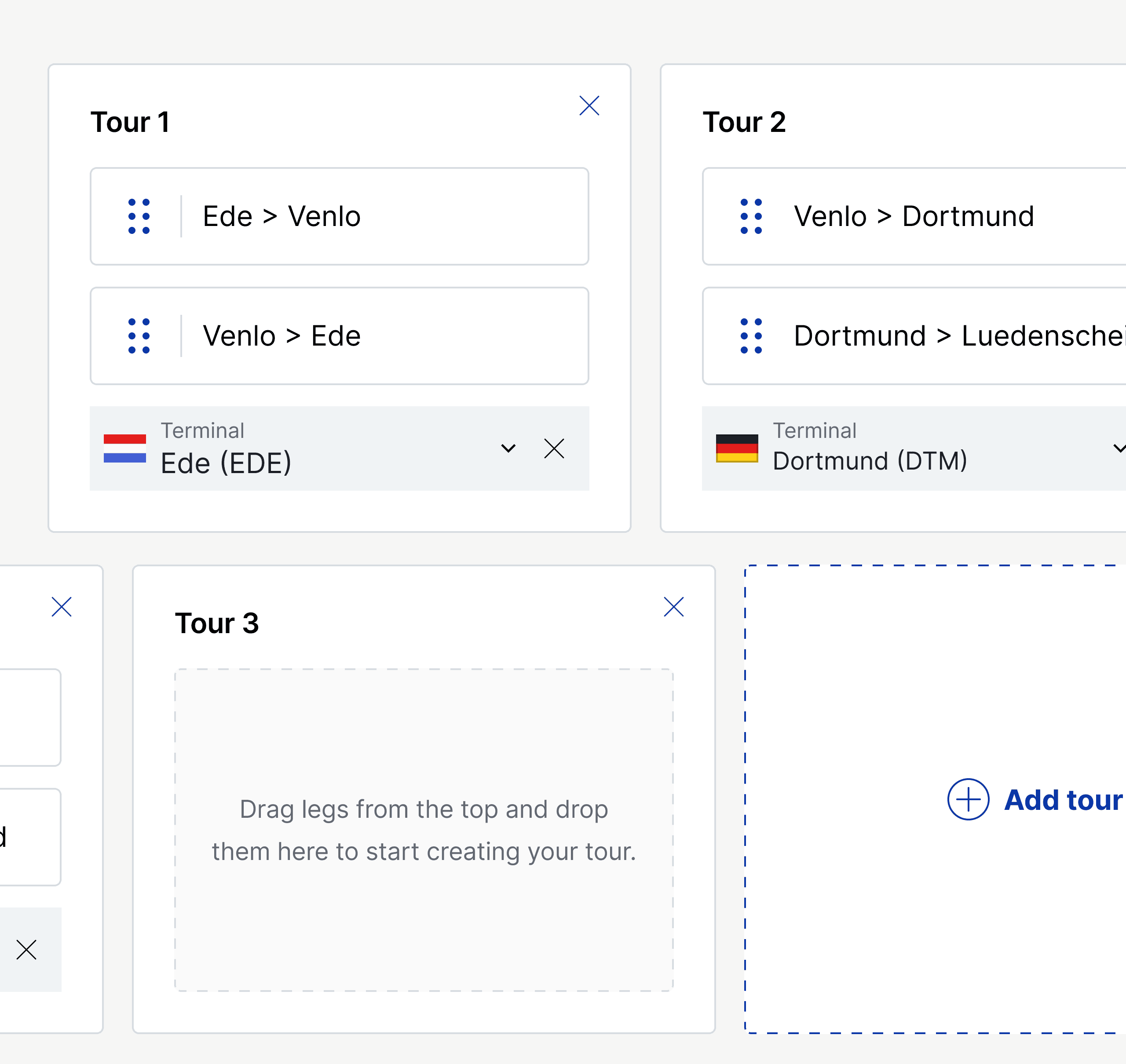
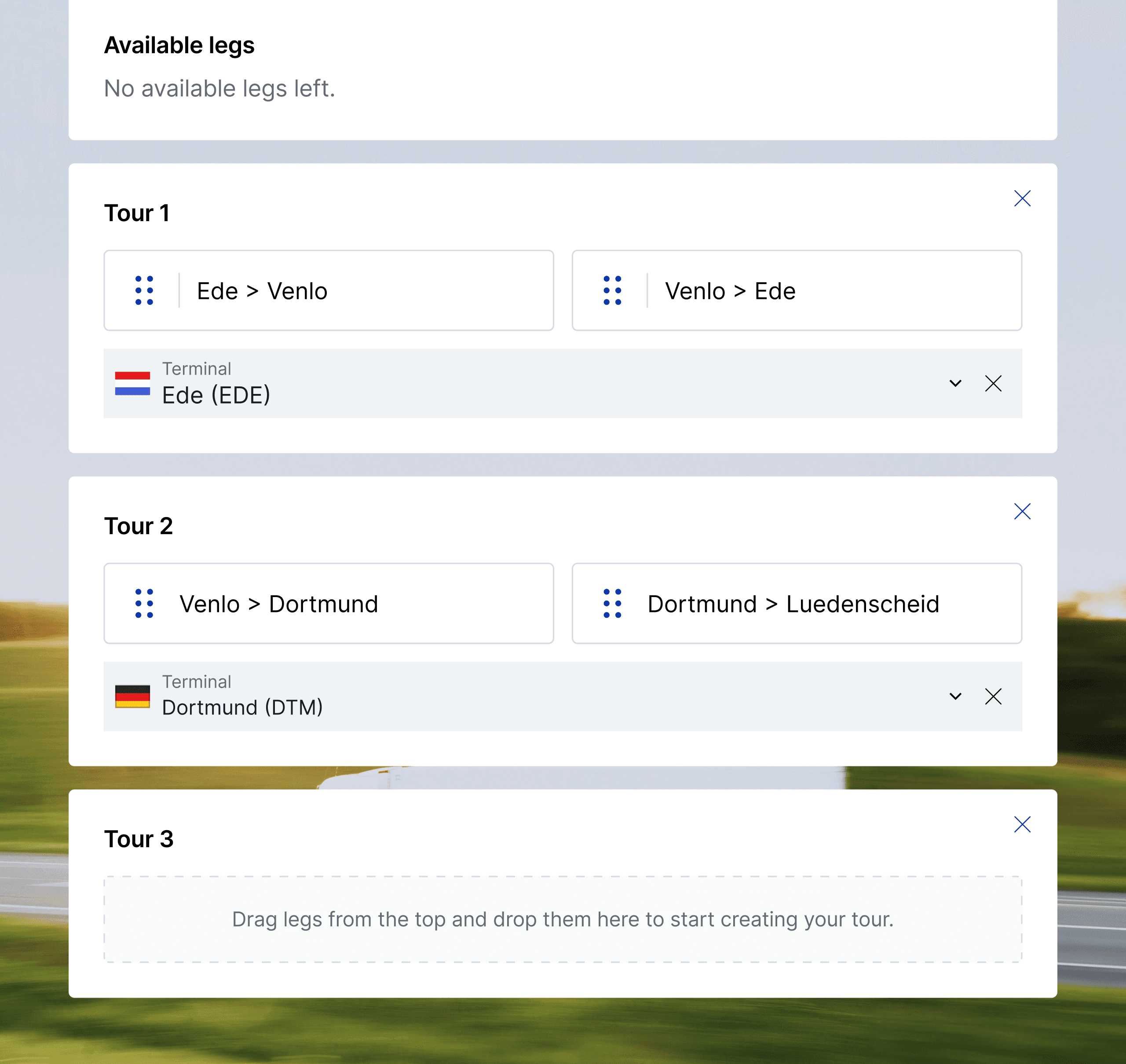
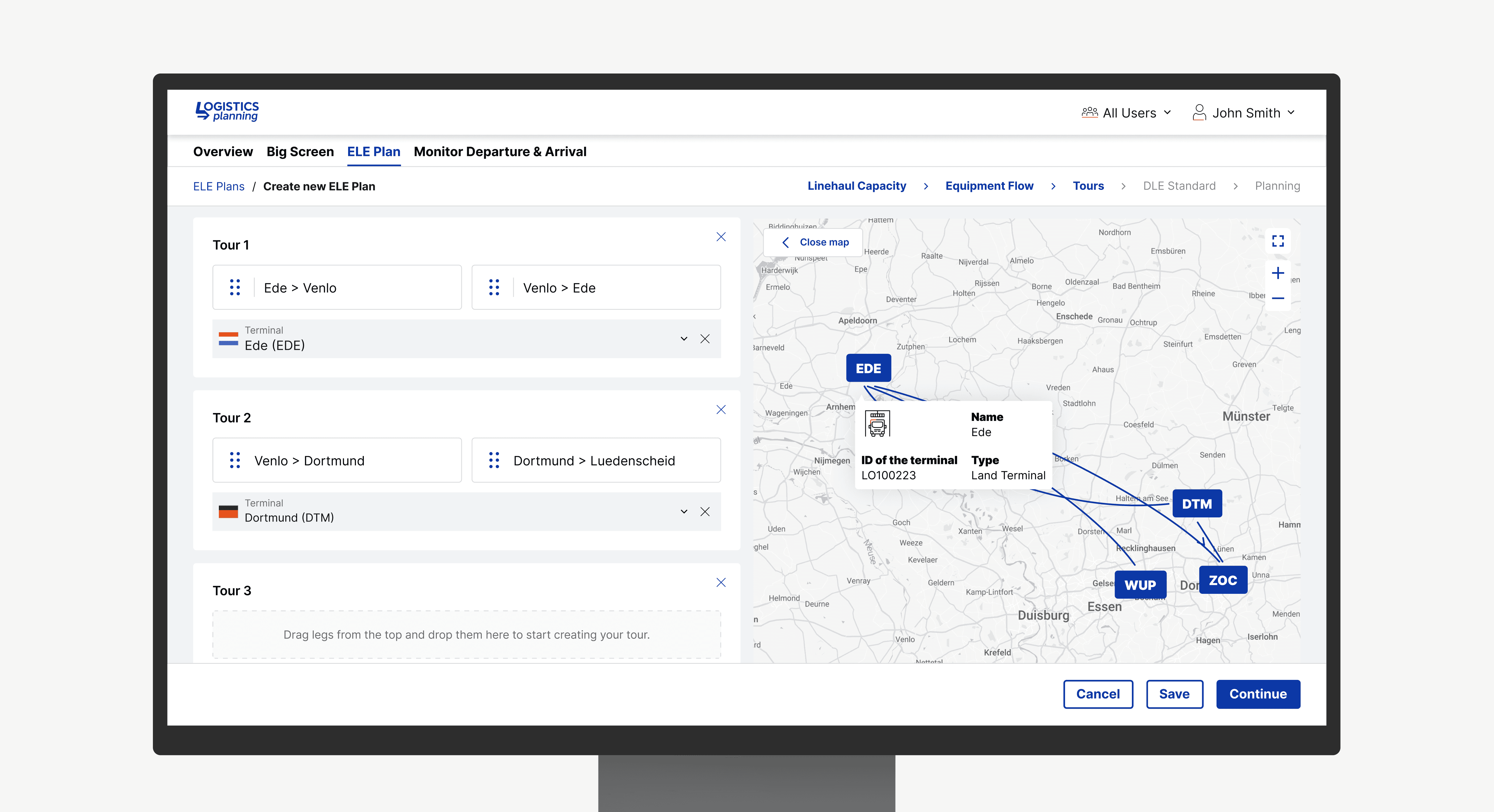
A new map view and simplified tour creation interface provided planners with a clear visual overview of routes and flexibility for adjustments.
{/}
{/}
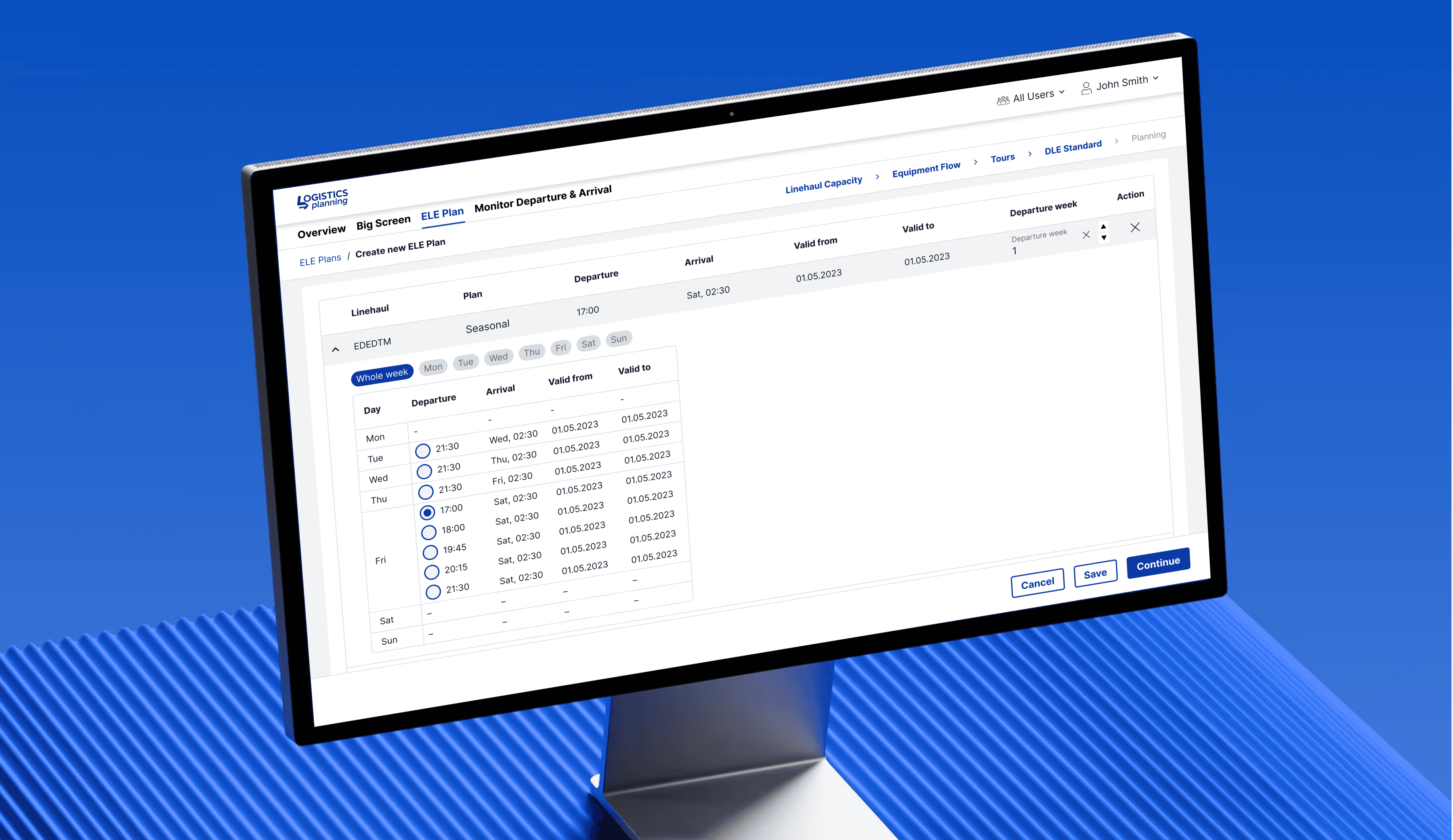
Redundant columns consolidated into a single view, reducing cognitive load and making daily planning more efficient.
{/}
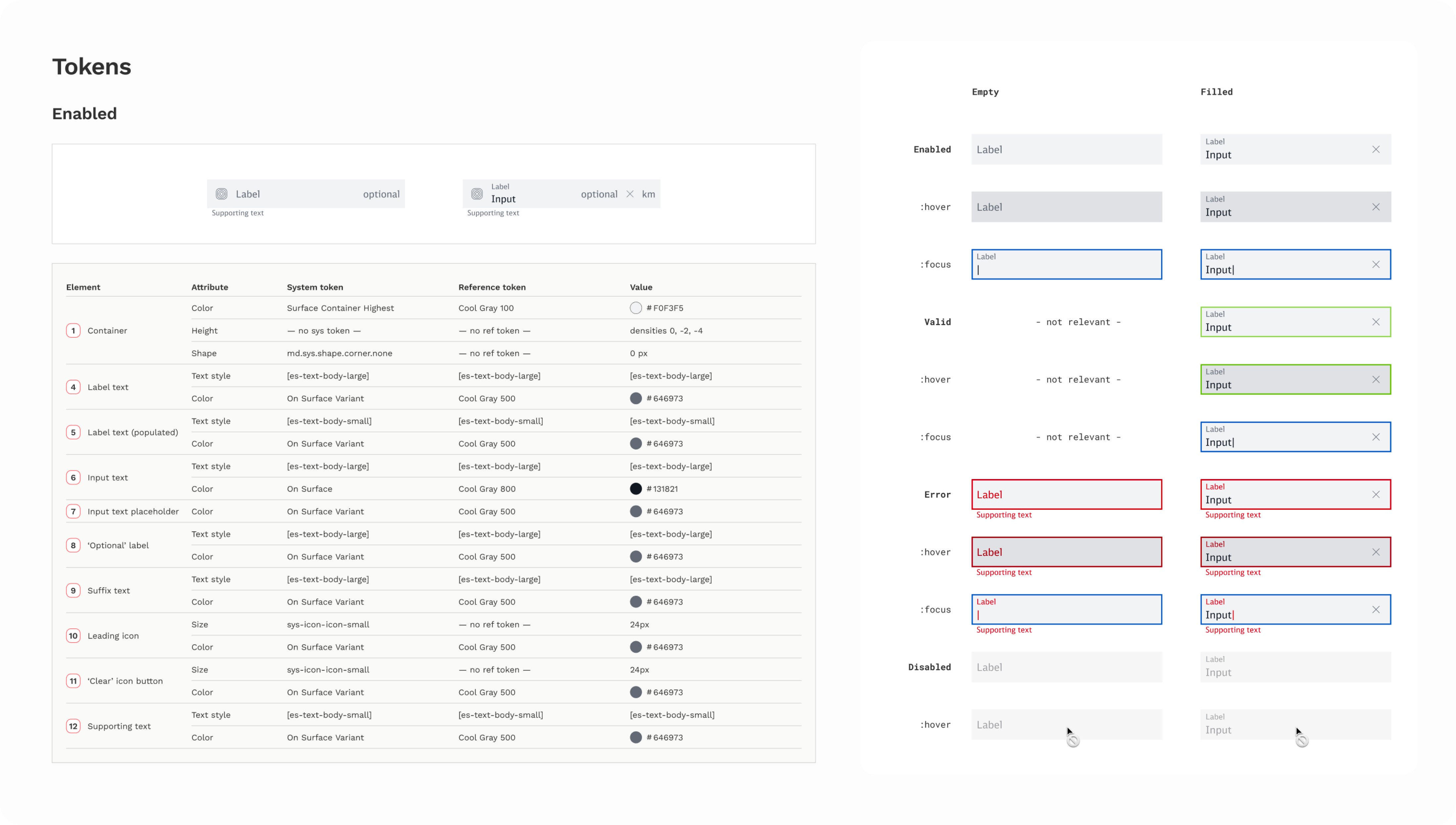
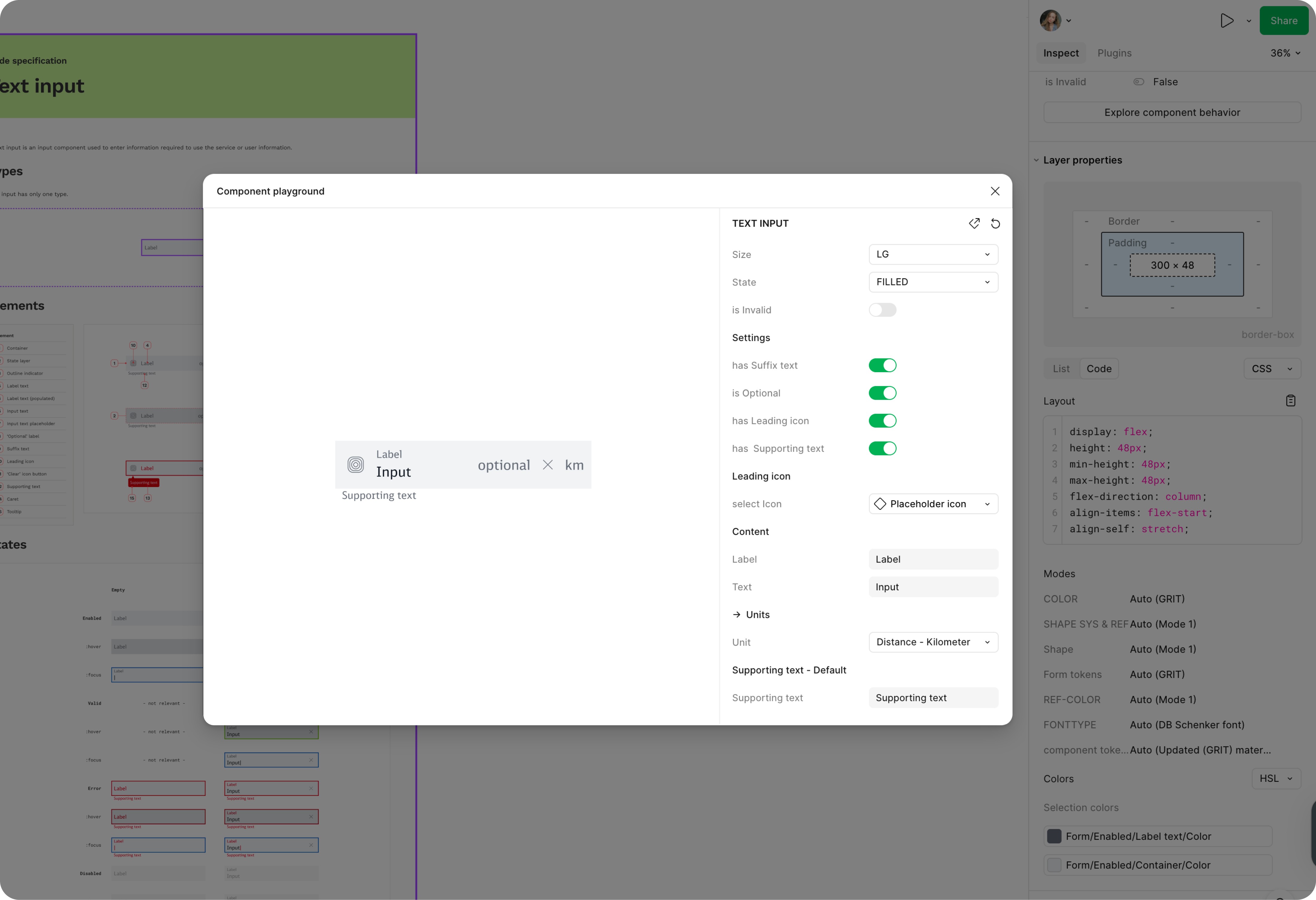
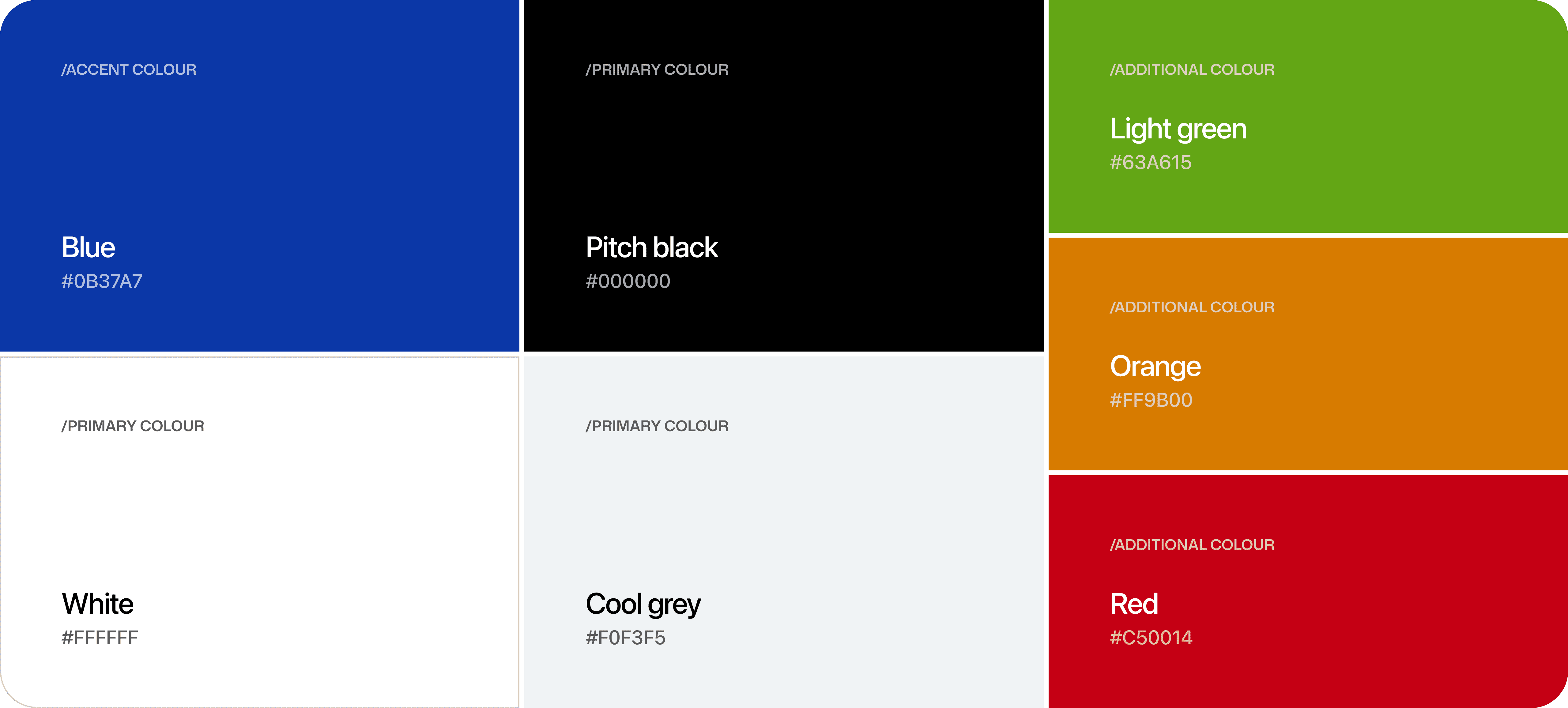
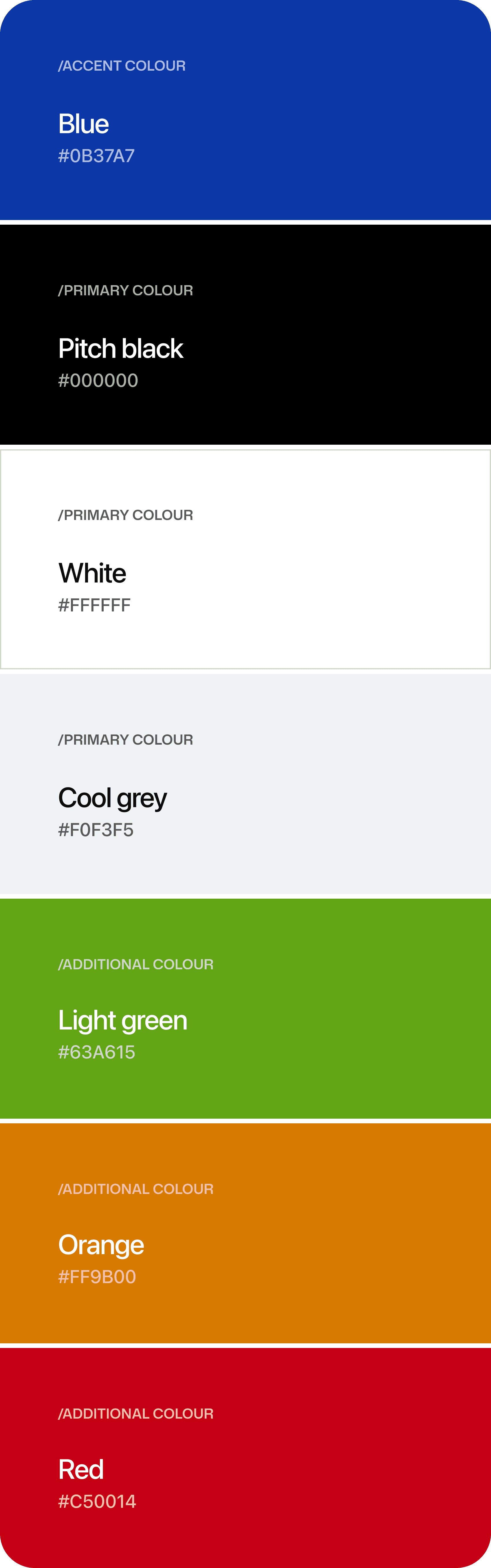
The design system was created to bring consistency to a fragmented interface and support the complexity of logistics planning workflows.
It was developed in close collaboration with engineering, using Material UI and Angular as a foundation, and adapting components to meet product-specific needs.
{/}

(01)
Better navigation and clearer information architecture help planners quickly find what they need and make the tool easier to learn.
(02)
A structured flow and reduced redundancy make planning faster, easier, and less error-prone.
(03)
Built-in validation and feedback give planners reassurance that their plans are correct and reliable.
(04)
The redesign aligns with business goals and KPIs, delivering more value for both users and stakeholders.